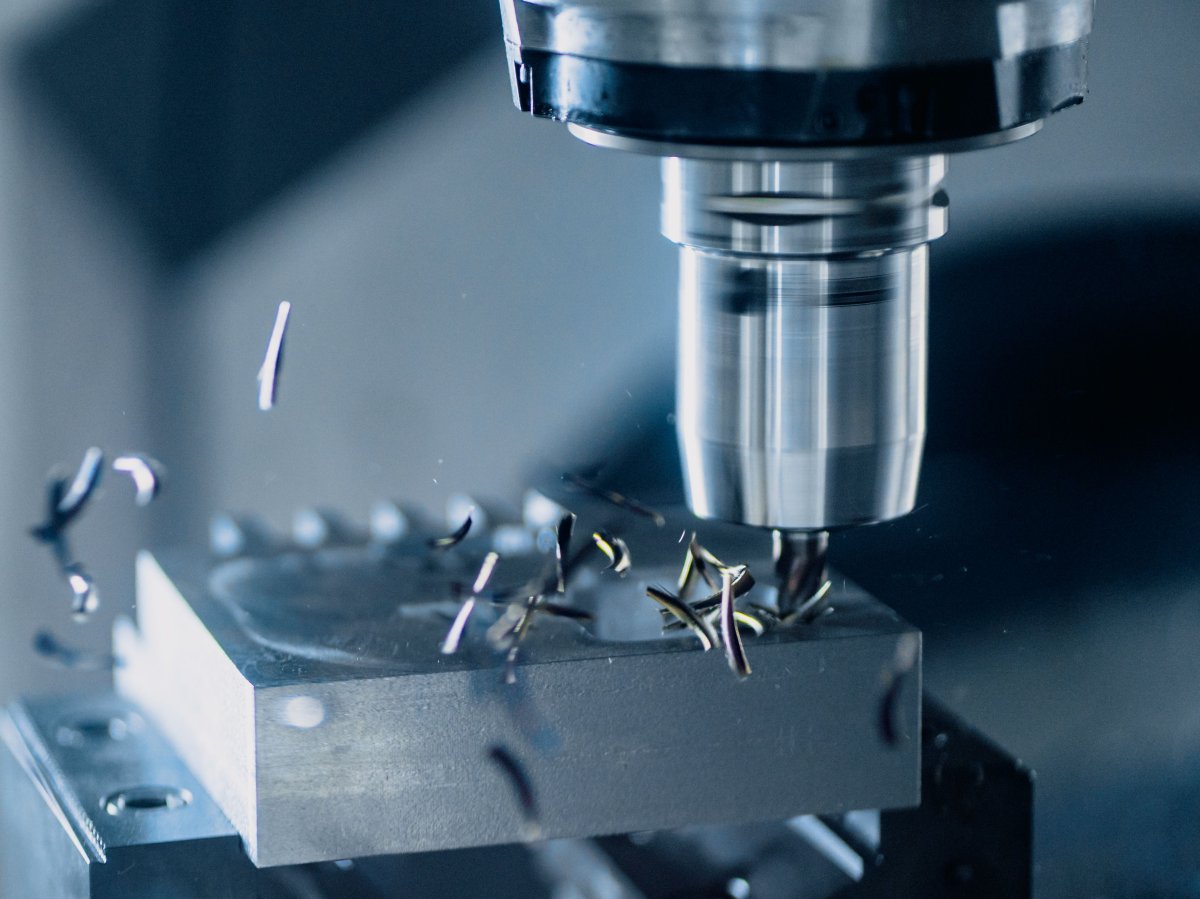
Choosing the right CNC milling machine is critical for your success. Many businesses mistakenly believe a general-purpose machine will suffice for both aluminum and titanium. This often leads to costly mistakes, poor part quality, and significantly increased operational expenses. Understanding the distinct needs of each material is paramount. Are you equipped to make the right choice between a cnc milling machine for aluminum and a cnc milling machine for titanium?
The Distinct Challenges of Aluminum and Titanium Machining
You’re likely facing the decision of which material to machine, aluminum or titanium, and consequently, which cnc milling machine for aluminum or cnc milling machine for titanium is best suited. The pain point is that these materials, while both metals, have vastly different machining characteristics. Aluminum, though softer, can be “gummy.” It tends to stick to cutting tools, leading to built-up edge (BUE) and poor surface finishes if not managed correctly. This requires high spindle speeds and effective coolant systems to keep chips from re-welding to the tool. You might find yourself battling poor surface quality and accelerated tool wear if your machine isn’t optimized for aluminum.
Titanium, on the other hand, presents a different set of challenges. It’s incredibly strong and tough, with low thermal conductivity. This means heat generated during cutting concentrates at the tool tip, rapidly degrading cutting edges. Titanium also has a tendency to work-harden, meaning the material becomes harder as it’s machined, increasing cutting forces and tool wear. The pain here is significant: frequent tool breakage, extremely high tooling costs, and the need for robust, rigid machines that can withstand immense cutting forces. Trying to machine titanium on a machine designed primarily for aluminum, or vice-versa, is a recipe for frustration and inefficiency.
Key Differences in Machine Requirements: Aluminum
When considering a cnc milling machine for aluminum, your focus should be on achieving high material removal rates and excellent surface finishes efficiently. Aluminum’s lower hardness means you can often utilize higher spindle speeds, typically ranging from 8,000 to 20,000 RPM or even higher. This high speed, combined with appropriate feed rates, helps to create a shearing action that produces fine chips and prevents the material from gumming up the cutting tool. The solution is a machine with a high-speed spindle that can maintain consistent RPMs under load.
Another critical factor for aluminum is effective chip evacuation and coolant delivery. Because aluminum can be sticky, a robust coolant system is essential. Flood coolant at high volumes helps to flush chips away from the cutting zone, preventing BUE and improving surface finish. Through-spindle coolant (TSC) can be particularly beneficial for drilling and milling deep pockets. You’ll benefit from machines that offer powerful coolant pumps and ample chip conveyor capacity. The result is a cleaner machining process, reduced tool wear, and the ability to achieve the mirror-like finishes often required for aluminum parts. Investing in machine tools for advanced aluminum processing means prioritizing speed and efficient chip management.
Key Differences in Machine Requirements: Titanium
Machining titanium demands a fundamentally different approach and, consequently, a different type of cnc milling machine for titanium. The primary pain point with titanium is its inherent toughness and low thermal conductivity. This requires a machine with exceptional rigidity and power. You need a machine with a heavy-duty frame, often made from cast iron, and robust linear guides or box-way construction to absorb the significant cutting forces without vibration. A spindle that delivers high torque at lower to mid-range RPMs (often 3,000 to 8,000 RPM) is crucial for effectively cutting through this dense material.
Furthermore, heat management is paramount when machining titanium. The low thermal conductivity means heat builds up at the tool tip. A powerful, high-pressure through-spindle coolant system is not just beneficial; it’s essential. This system delivers coolant directly to the cutting edge, helping to lubricate, cool, and flush away the tough, stringy chips that titanium produces. You will find that machines with advanced cooling capabilities significantly extend tool life and improve surface finish. The solution is to invest in machine tools for advanced titanium processing that prioritize rigidity, torque, and aggressive cooling. Trying to machine titanium on a lighter-duty aluminum machine will lead to rapid tool failure and compromised part quality.
Choosing the Right Machine: Key Considerations
You’re faced with the decision: aluminum or titanium? The pain point is that selecting the wrong cnc milling machine for aluminum or cnc milling machine for titanium can lead to costly mistakes. The solution lies in understanding your primary material and application. If your work primarily involves aluminum, prioritize machines with high-speed spindles and excellent chip evacuation. Look for machines with spindle speeds of 10,000 RPM and above, robust coolant systems, and perhaps lighter-duty construction that allows for faster axis movements. You’ll benefit from quicker cycle times and excellent surface finishes.
However, if titanium is your main focus, rigidity and power become non-negotiable. You need a machine with a heavy-duty frame, high torque at lower RPMs, and a powerful through-spindle coolant system. Consider machines with robust linear guides or box ways. The benefit of choosing the right machine is clear: significantly reduced tooling costs, improved part quality, and increased throughput. Don’t compromise; if you frequently switch between materials, consider a versatile machine with a wide RPM range and a powerful cooling system, but be aware that it might not excel at the extreme ends of either material’s machining requirements.
The Impact of Tooling and Workholding
Beyond the machine itself, the right tooling and workholding solutions are critical for both aluminum and titanium. You might be experiencing issues with tool life or part slippage, which are common pain points when using generic solutions. For aluminum, high-speed steel (HSS) or solid carbide end mills with specific coatings (like TiAlN) and geometries designed for softer metals are effective. These tools help manage the gummy nature of aluminum and provide good surface finishes. The solution is to use tooling specifically designed for aluminum, paired with a machine that can provide the necessary high spindle speeds.
For titanium, the demands are far greater. You’ll need high-performance carbide tools, often with specialized coatings like AlTiN or TiCN, or even PCD (Polycrystalline Diamond) tooling for extreme wear resistance. These tools are designed to withstand the high temperatures and cutting forces associated with titanium. The benefit of using such tooling is a dramatic increase in tool life and the ability to maintain tighter tolerances. Workholding is equally important. For both materials, rigid workholding is essential to prevent part movement and vibration. Fixtures should be designed to securely hold the part without distorting it, especially critical for thin-walled aluminum parts or strong titanium components. Investing in appropriate tooling and workholding for your chosen material ensures that your cnc milling machine for aluminum or cnc milling machine for titanium can perform at its best.
Making the Informed Decision for Your Shop
The choice between a cnc milling machine for aluminum and a cnc milling machine for titanium is more than just a purchase; it’s a strategic decision that impacts your production capabilities and profitability. You’ve seen the distinct challenges each material presents: aluminum’s tendency to gum up tools and require high speeds, versus titanium’s toughness and need for rigidity and powerful cooling. The pain of using the wrong machine – whether it’s excessive tool wear, poor surface finish, or frequent breakdowns – is a significant drain on resources.
The solution lies in aligning your machine choice with your primary material focus.
- Prioritize Speed for Aluminum: If aluminum is your main material, focus on machines with high-RPM spindles and excellent chip evacuation. This leads to faster cycle times and superior finishes.
- Prioritize Rigidity for Titanium: If titanium is your focus, invest in machines with heavy-duty construction, high torque, and robust through-spindle coolant. This ensures tool longevity and part accuracy.
- Consider Versatility (with caveats): If you machine both, look for versatile machines, but understand they may not be optimal for the extreme requirements of either material.
The benefit of making an informed decision is clear: reduced operational costs, improved part quality, and increased production efficiency. Start today by assessing your current and future material needs, and choose the machine that will best serve your application.


